
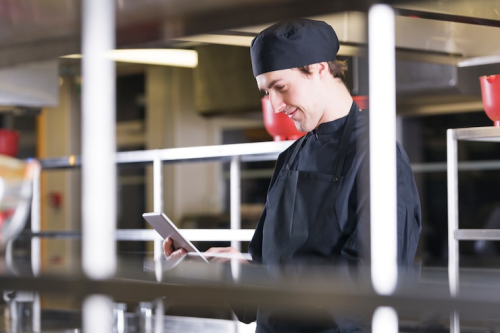
The restaurant industry operates at a relentless pace. Kitchens hum with urgency, servers navigate packed dining rooms, and managers wrestle with schedules to keep the chaos in check. Yet, a deeper challenge festers: orchestrating a workforce that’s perpetually short-staffed, prone to turnover, and increasingly costly. As labor expenses climb and staffing gaps widen, restaurants are embracing a powerful solution SaaS-based workforce management software. Fueled by artificial intelligence and cloud technology, these platforms are revolutionizing operations, offering a lifeline to an industry under siege. This exploration of labor management challenges in the restaurant sector delves into transformative trends, tangible successes, and persistent obstacles, revealing how technology is reshaping the future for operators and employees alike.
The data underscores the stakes. A 2024 Verified Market Reports study values the global labor management system market at $4.2 billion, projecting growth to $8.5 billion by 2033 with an 8.5% CAGR. Restaurants, a major driver, face annual turnover rates surpassing 70% and navigate a web of tightening labor regulations. The U.S. Bureau of Labor Statistics forecasts a workforce of 164.6 million by 2030, amplifying the need for sophisticated tools to manage this scale. SaaS platforms deliver, optimizing scheduling, reducing costs, and boosting employee satisfaction while ensuring compliance.
Cutting-Edge Tools: AI and Mobile Solutions Lead
Gone are the days of scribbled schedules and guesswork. Artificial intelligence now powers staffing decisions, analyzing point-of-sale data, past sales trends, and even weather patterns to forecast needs. Picture a system that predicts a quiet Monday due to rain or a surge during a local event. These platforms eliminate guesswork, curbing overtime and preventing staffing shortages. According to a 2024 Future Market Insights report, the workforce management market, valued at $10.42 billion in 2025, is set to reach $25 billion by 2035, propelled by AI and cloud innovations.
Employees, particularly younger workers, demand flexibility. Mobile apps empower them to swap shifts, request time off, or access pay stubs on the go. This isn’t just convenience it’s a retention lifeline. A server who can adjust their schedule without hassle is likelier to stay. These platforms also automate compliance, flagging risks like overtime violations or scheduling errors. With minimum wage hikes and mandates like the Family and Medical Leave Act (FMLA), such automation is critical. A 2025 Research Nester report values the workforce management market at $11.07 billion, with North America leading due to its strong regulatory environment and tech adoption.
The gig economy adds another layer. Platforms link restaurants with on-demand workers to fill peak-hour gaps, mirroring the flexibility of ride-sharing models. For a café swamped at lunch, this can mean seamless service instead of frustrated customers.
Proven Impact: Restaurants Reaping Rewards
The results speak volumes. Large restaurant chains have adopted SaaS scheduling platforms, achieving significant labor cost savings through optimized shift planning. Employee satisfaction has improved with self-service scheduling features. Smaller establishments have leveraged predictive analytics to align staffing with peak hours, reducing overtime expenses. Multi-unit franchises have integrated labor management software with POS and HR systems, streamlining onboarding and compliance. These are concrete victories in an industry where every dollar counts.
Market trends reinforce these gains. A 2025 Market Research Future report highlights how cloud computing and AI enhance scheduling and time-tracking, projecting an 8.28% CAGR for the workforce management market through 2035. Restaurants embracing these tools aren’t just coping they’re thriving.
Persistent Hurdles: Turnover, Tech Resistance, and Security
Challenges persist. Turnover, exceeding 70% annually, drains resources on hiring and training. Securing skilled workers in a competitive market is as tough as landing a prime-time reservation. Technology adoption also faces pushback. Managers tethered to manual methods often resist new systems, and SaaS platforms, despite their power, demand significant upfront investment and training daunting for smaller operators.
Data security looms large. Storing employee information in the cloud raises concerns, especially with rising cyber threats. The healthcare cybersecurity market, valued at $22.6 billion in 2024, is projected to hit $156 billion by 2035, underscoring the need for robust protections across sectors, including hospitality. Restaurants must ensure compliance with regulations like HIPAA for employee health data. Integration challenges further complicate matters. Aligning new software with outdated POS or payroll systems can create inefficiencies, particularly for multi-unit operators risking data silos.
The Rewards: Efficiency, Morale, and Scalability
The benefits outweigh the obstacles. Predictive scheduling reduces overtime and understaffing, saving money and easing stress. Automated time-tracking simplifies payroll, letting managers prioritize guests over paperwork. Flexible scheduling and real-time communication tools lift employee morale and foster teamwork. A 2025 Grand View Research report notes that mobile-ready workforce management apps are surging, driven by demand for connected enterprises.
For multi-unit operators, SaaS platforms enable scalability. Uniform processes across locations streamline operations and inform expansion strategies. The competitive edge is evident: optimized staffing ensures top-notch service during busy periods and agility in responding to trends like delivery spikes. With the U.S. e-commerce market projected to hit $25,580 billion by 2035, restaurants leveraging digital tools will lead the pack.
The Future: A Resilient, Tech-Driven Industry
The restaurant industry faces a pivotal moment. Labor challenges turnover, compliance, escalating costs persist, but SaaS-based workforce management software offers a path forward. Experts predict that by 2030, over 80% of restaurants will adopt AI-driven tools to remain competitive. The global agentic AI labor market, valued at $2.5 billion in 2024, is expected to soar to $73.9 billion by 2034 with a 40.3% CAGR, reflecting a shift toward autonomous, tech-driven solutions.
Operators must act decisively: invest in scalable, intuitive platforms with robust integration and mobile access. Training staff to adopt these tools is critical, as is staying vigilant about evolving labor laws to maintain compliance. The restaurants that succeed will marry technology with humanity using data to drive decisions while cultivating workplaces where employees feel valued.
As tonight’s dinner rush unfolds, envision a future where schedules sync seamlessly, workers feel empowered, and managers find breathing room. That vision is no fantasy it’s the restaurant industry’s next chapter, and it’s already unfolding.
You may also be interested in: Labor Management Systems: A Comprehensive Guide | TimeForge
Tired of scheduling headaches and time tracking chaos? Experience for yourself streamlined scheduling, full compliance, and boost in employee engagement, with the TimeForge comprehensive workforce management solution. Join thousands of satisfied businesses and see the award-winning difference. Sign up now for a free demo tailored to your business!





