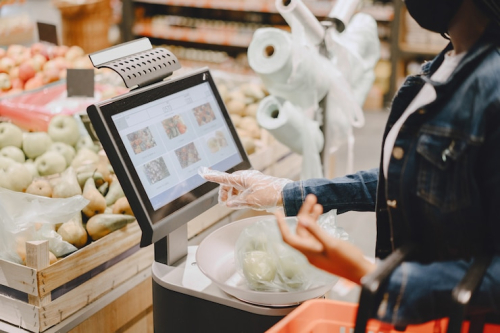
In a busy grocery store in suburban Atlanta, the hum of scanners and the rustle of shopping bags fill the air. Managers weave through aisles, ensuring shelves are stocked and checkouts are moving. Behind this orchestrated chaos lies a powerful tool: artificial intelligence that crafts schedules with precision, ensuring every shift complies with a tangle of labor laws. This isn’t a futuristic fantasy it’s the reality for grocers using smart workforce management to stay ahead in a complex regulatory landscape.
Tired of scheduling headaches and time tracking chaos? Experience for yourself streamlined scheduling, full compliance, and boost in employee engagement, with the TimeForge comprehensive workforce management solution. Join thousands of satisfied businesses and see the award-winning difference. Sign up now for a free demo tailored to your business!
Grocery Stores Adopt AI Scheduling to Navigate Labor Law Maze
Grocery stores across the United States grapple with a web of labor regulations that shift from state to state, city to city. From predictive scheduling in Oregon to mandatory breaks in New York, compliance is a high-wire act. A single oversight can trigger fines, lawsuits, or reputational damage. TimeForge, a leading workforce management platform, uses AI to streamline scheduling, ensuring grocers like Pyramid Foods and Doc’s Foods meet these demands while optimizing operations. With a primary focus on North America, TimeForge’s clients face the unique challenge of managing large hourly workforces amid fluctuating customer demand and ever-changing legal requirements.
TimeForge’s standout feature automated AI sales forecasting and scheduling predicts staffing needs using real-time sales data. This ensures stores are neither overstaffed during quiet hours nor understaffed during rushes. By integrating compliance with local, state, and federal labor laws, the platform helps grocers avoid costly penalties while fostering employee satisfaction through fairer, more predictable schedules.
The Growing Complexity of Workforce Compliance
The grocery sector is under pressure as labor regulations tighten. According to a recent market analysis, the global self-checkout systems market, valued at USD 4,913.2 million in 2024, is expected to grow to USD 10,494.3 million by 2030, with a compound annual growth rate of 13.6%. North America led in revenue generation in 2024, driven by a surge in automation to enhance customer experiences. While self-checkout systems streamline transactions, they don’t address the scheduling challenges that come with a patchwork of labor laws. Predictive scheduling ordinances, overtime restrictions, and break requirements vary widely, creating a compliance minefield for multi-location grocers.
TimeForge tackles this complexity head-on. Its AI-driven platform automatically flags potential violations, such as scheduling a minor for excessive hours or missing mandatory breaks. By integrating with payroll and HR systems, it ensures seamless compliance across all operations, saving managers from the headache of manual oversight.
AI Scheduling in Action: Real-World Impact
Consider a regional grocery chain operating across the Midwest. Before adopting TimeForge, managers spent hours poring over spreadsheets, trying to balance employee availability with local labor laws. Mistakes were common, and penalties loomed. Now, TimeForge’s AI analyzes sales trends and employee data to generate schedules in minutes. For a chain like CK Market, this meant catching an overtime violation before it triggered a fine, adjusting shifts to maintain compliance without disrupting service.
The benefits extend beyond compliance. Employees gain from fairer schedules that respect their availability, reducing burnout and improving retention in an industry plagued by high turnover. TimeForge’s tools also simplify recruitment and onboarding, making it easier to reward and retain key staff. This is critical for grocers, where the cost of replacing a single employee can run into thousands of dollars. By creating a more stable workforce, stores improve both morale and operational efficiency.
Overcoming Barriers to Adoption
Despite its advantages, some grocers hesitate to adopt AI scheduling. The initial cost of platforms like TimeForge can feel daunting, especially for smaller chains. Others resist change, clinging to manual systems they deem “good enough” or fearing they’ll pick the wrong technology. There’s also concern about over-reliance on automation, with some managers worried about losing the human judgment needed to lead a team.
Data security is another sticking point. Handling sensitive employee information requires robust protections, and grocers must trust that platforms like TimeForge safeguard this data. Yet, these objections often pale in comparison to the risks of non-compliance. A single fine or lawsuit can far outweigh the cost of adopting a smart scheduling solution, making the investment a no-brainer for forward-thinking operators.
Unlocking Opportunities with AI
AI scheduling does more than keep grocers out of trouble it transforms how they operate. By optimizing staffing levels, TimeForge helps stores cut labor costs without compromising service. Its predictive analytics use historical sales data to anticipate busy periods, ensuring enough staff during peak hours while avoiding overstaffing during lulls. For a chain like Curby’s, this means smoother operations and happier customers.
Employee retention also improves. Predictable, fair schedules reduce turnover, saving grocers the expense of constant hiring and training. In a competitive market, stores that prioritize workforce management gain an edge, attracting top talent and loyal customers who value efficient service. TimeForge’s ability to integrate scheduling with broader business systems like payroll and timekeeping further amplifies these benefits, providing managers with actionable insights to drive smarter decisions.
The Future of Workforce Management
Labor law enforcement is set to intensify, with fair workweek rules and predictive scheduling laws gaining traction in cities like Los Angeles and Minneapolis. At the same time, customer expectations for seamless service are higher than ever. TimeForge is evolving to meet these challenges, with plans to incorporate more predictive features, such as factoring in local events, weather, or even social media trends to refine schedules. As automation reshapes retail evidenced by the self-checkout market’s projected growth to USD 10,494.3 million by 2030 AI scheduling will become a cornerstone of grocery operations.
Industry experts view platforms like TimeForge as strategic investments, not just compliance tools. Grocers who adopt these solutions early will be better equipped to navigate regulatory complexities while staying agile in a fast-moving market. The data is clear: automation is no longer optional it’s essential for staying competitive.
A New Era for Grocery Workforce Management
In an industry where every dollar and every minute counts, AI scheduling is a game-changer. Platforms like TimeForge empower grocers to stay compliant, reduce costs, and build stronger teams, all while meeting the demands of a dynamic market. From regional players like Original Joe’s to growing chains, the message resonates: smart workforce management is the key to thriving in a world of tightening regulations and rising expectations. As grocers embrace AI, they’re not just keeping up they’re setting the pace for a smarter, more efficient future.
Frequently Asked Questions
How does AI scheduling help grocery stores comply with labor laws?
AI scheduling platforms like TimeForge automatically flag potential violations such as scheduling minors for excessive hours or missing mandatory breaks. The system integrates compliance with local, state, and federal labor laws directly into the scheduling process, helping grocers avoid costly penalties while generating compliant schedules in minutes rather than hours of manual work.
What are the main benefits of using AI for employee scheduling in grocery stores?
AI scheduling provides three key benefits: compliance automation that prevents labor law violations, cost optimization through predictive staffing that matches employee levels to sales forecasts, and improved employee satisfaction through fairer, more predictable schedules. This leads to reduced turnover, lower hiring costs, and better operational efficiency in an industry where replacing a single employee can cost thousands of dollars.
Why do some grocery stores hesitate to adopt AI scheduling technology?
Common barriers include initial cost concerns especially for smaller chains, resistance to change from managers comfortable with manual systems, and data security worries about handling sensitive employee information. However, the risks of non-compliance often outweigh these concerns, as a single labor law violation or lawsuit can far exceed the investment cost of implementing an AI scheduling platform.
Disclaimer: The above helpful resources content contains personal opinions and experiences. The information provided is for general knowledge and does not constitute professional advice.
You may also be interested in: Employee Scheduling Software For Multi-Location Workforces
Tired of scheduling headaches and time tracking chaos? Experience for yourself streamlined scheduling, full compliance, and boost in employee engagement, with the TimeForge comprehensive workforce management solution. Join thousands of satisfied businesses and see the award-winning difference. Sign up now for a free demo tailored to your business!