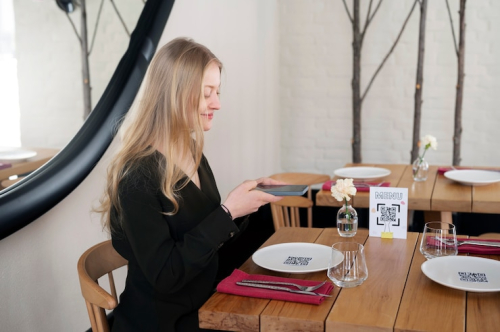
The casual dining scene is a whirlwind of sizzling grills, hurried footsteps, and relentless demands. Across the United States and North America, restaurant operators are navigating a perfect storm of labor shortages, rising costs, and stricter regulations. Yet, amidst this chaos, a quiet revolution is unfolding. Platforms like TimeForge are helping venues transform the daunting task of system transitions into a strategic advantage, using automation to streamline operations, ensure compliance, and keep both staff and guests satisfied. In an industry where every second counts, these tools are proving to be game-changers.
Tired of scheduling headaches and time tracking chaos? Experience for yourself streamlined scheduling, full compliance, and boost in employee engagement, with the TimeForge comprehensive workforce management solution. Join thousands of satisfied businesses and see the award-winning difference. Sign up now for a free demo tailored to your business!
The Drive to Modernize Casual Dining
Restaurants have always had to adapt whether to new culinary trends, shifting customer expectations, or economic pressures. But today’s challenges are uniquely intense. Managers at establishments like Jamba, Blue Ribbon Restaurants, and Pyramid Foods are under pressure to upgrade outdated systems while maintaining seamless operations. The global digital workplace market, projected to grow by USD 76.22 billion from 2024 to 2028 with a 23.6% CAGR, underscores the urgency of this shift. Lower hardware costs are fueling adoption, but data privacy concerns linger as a hurdle.
Automation is no longer a buzzword it’s a lifeline. Tools that integrate scheduling, compliance, and workforce management are replacing clunky spreadsheets and disjointed software. For casual dining operators, this means less time wrestling with administrative tasks and more focus on delivering exceptional dining experiences. From forecasting labor needs to ensuring compliance with local, state, and federal labor laws, platforms like TimeForge are reshaping how restaurants operate in a high-stakes environment.
Automation at Work: Streamlining the Chaos
Imagine a packed Saturday evening at a venue like Original Joe’s or Docs Foods. Orders are flying, tables are turning, and the manager is juggling staffing, inventory, and guest complaints. In the past, scheduling for such a night was a gamble too few staff, and service suffered; too many, and profits took a hit. Now, TimeForge’s AI-driven scheduling uses sales forecasting to optimize shifts, ensuring the right number of staff at the right time. This precision cuts costs and keeps the dining room humming.
System transitions, once a nightmare of downtime and data loss, are now smoother than ever. Automation tools simplify the migration from legacy systems, ensuring employee records and sales data transfer without a hitch. For restaurants like Curbys or C.K. Market, this means minimal disruption, even during peak hours. A 2020 study on Uber Eats highlighted how small restaurants pivoted to digital platforms during COVID-19, seeing significant activity spikes after dine-in closures. Similarly, automated labor tools enable restaurants to adapt swiftly, turning potential disruptions into opportunities for growth.
Beyond scheduling, these platforms streamline onboarding. New hires, often overwhelmed by complex systems, benefit from intuitive interfaces that reduce training time. Managers can focus on coaching rather than troubleshooting, boosting team morale and guest satisfaction. The result is a restaurant that runs like a well-oiled machine, even in the midst of change.
The Barriers to Change and How to Overcome Them
Change, however, doesn’t come without resistance. Managers often hesitate, citing concerns about cost, complexity, or reliability. “Our current system is good enough,” some argue, wary of investing in a platform that might not deliver. Others fear steep learning curves or data migration mishaps that could derail operations during a busy shift. Staff, too, can push back, reluctant to abandon familiar routines for unfamiliar technology.
These objections are valid but not insurmountable. The price of inaction inefficient scheduling, compliance risks, and high turnover often outweighs the upfront costs of adoption. Platforms like TimeForge address these concerns with robust support and user-friendly designs that minimize disruption. By starting with targeted solutions like scheduling or compliance tracking, restaurants can ease into automation without overwhelming their teams.
The Rewards: Efficiency, Compliance, and Retention
The benefits of automation are tangible and far-reaching. AI-driven scheduling slashes labor costs by aligning staff hours with demand, a critical advantage in an industry with razor-thin margins. Compliance, a constant headache for managers, becomes effortless with tools that automatically adhere to labor regulations across the U.S. and North America. This is especially crucial for chains operating in multiple jurisdictions, where rules vary widely.
Perhaps most importantly, automation boosts employee retention a pressing issue in an industry plagued by turnover. Inconsistent schedules and last-minute changes frustrate staff, driving them to seek greener pastures. TimeForge’s tools, designed to make it easier to recruit, reward, and retain key team members, create predictable schedules and transparent communication. Happy employees mean better service, which translates to happier guests and stronger revenue.
The Technavio report notes that the digital workplace market’s growth is driven by reduced hardware costs, but it also highlights challenges like data privacy. Restaurants adopting automation must prioritize secure platforms to protect sensitive employee and customer data, ensuring trust and compliance.
The Road Ahead: A Smarter Future for Dining
The casual dining industry is at a pivotal moment. Economic uncertainty, evolving labor laws, and staffing shortages are forcing operators to rethink their strategies. Automation is no longer optional it’s essential for staying competitive. As AI-driven tools become more sophisticated, restaurants will increasingly rely on real-time insights to anticipate labor needs and optimize operations. Integrating scheduling, payroll, and HR into a single platform will become the gold standard, enabling venues to operate with unprecedented efficiency.
Industry experts urge operators to start small, focusing on immediate pain points like scheduling or compliance before scaling up. For restaurants serving customers across the U.S. and North America, this approach builds resilience and positions them for long-term success. The data backs this up: the Uber Eats study showed how digital adoption helped small restaurants thrive during a crisis, a lesson that applies equally to labor management today.
A Blueprint for Success
In the high-pressure world of casual dining, where every shift is a balancing act, automation is rewriting the rules. Platforms like TimeForge empower restaurants to navigate system transitions with confidence, turning challenges into opportunities. By cutting costs, ensuring compliance, and fostering happier teams, these tools are helping venues across the United States and North America thrive in an unforgiving industry. For operators ready to embrace change, the future is bright and it’s automated.
Frequently Asked Questions
How do automated scheduling tools help casual dining restaurants reduce labor costs?
Automated scheduling tools like TimeForge use AI-driven sales forecasting to optimize staff shifts, ensuring restaurants have the right number of employees at the right time. This precision helps avoid overstaffing during slow periods and understaffing during busy times, directly cutting labor costs while maintaining service quality. For casual dining venues operating on razor-thin margins, this optimization can significantly improve profitability.
What are the main barriers restaurants face when transitioning to automated workforce management systems?
Restaurant managers commonly cite concerns about cost, complexity, and system reliability when considering automation tools. Many fear steep learning curves, potential data migration issues during busy shifts, and staff resistance to changing familiar routines. However, these concerns can be overcome by starting with targeted solutions like scheduling or compliance tracking, and choosing platforms that offer robust support and user-friendly designs to minimize operational disruption.
How does restaurant automation improve employee retention in the casual dining industry?
Automation platforms address key factors that drive employee turnover, particularly inconsistent scheduling and last-minute changes that frustrate staff. By creating predictable schedules, transparent communication, and streamlined onboarding processes, these tools help restaurants recruit, reward, and retain key team members more effectively. Happy employees provide better service, which translates to improved guest satisfaction and stronger revenue for casual dining venues.
Disclaimer: The above helpful resources content contains personal opinions and experiences. The information provided is for general knowledge and does not constitute professional advice.
You may also be interested in: 5 Teamwork In Restaurants Examples | TimeForge
Tired of scheduling headaches and time tracking chaos? Experience for yourself streamlined scheduling, full compliance, and boost in employee engagement, with the TimeForge comprehensive workforce management solution. Join thousands of satisfied businesses and see the award-winning difference. Sign up now for a free demo tailored to your business!