
Quick Listen:
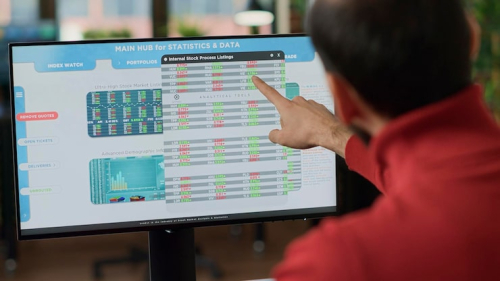
Picture a harried manager in a bustling Ohio supermarket, her eyes fixed on a tablet displaying a vivid, color-coded calendar. With a swift drag-and-drop, she reassigns a shift to cover an unexpected absence, and her team instantly sees the update on their phones. This isn’t a glimpse of tomorrow’s workplace it’s today’s reality, powered by visual scheduling tools like those from TimeForge. As U.S. retailers, restaurants, and grocers navigate tight labor markets and intricate compliance demands, these intuitive platforms are revolutionizing workforce management, slashing administrative time, and driving operational precision.
Tired of scheduling headaches and time tracking chaos? Experience for yourself streamlined scheduling, full compliance, and boost in employee engagement, with the TimeForge comprehensive workforce management solution. Join thousands of satisfied businesses and see the award-winning difference. Sign up now for a free demo tailored to your business!
Visual Tools Reshape Labor Planning
Visual scheduling platforms featuring calendar-style layouts, drag-and-drop interfaces, and color-coded shift assignments are more than visually appealing. They’re transformative for industries reliant on hourly workers. The U.S. Bureau of Labor Statistics (2024) reports that retail trade and food services employ over 25 million hourly workers, most requiring weekly schedule adjustments. For managers in these high-pressure environments, manual scheduling on spreadsheets or paper is a time sink, diverting focus from mentoring staff or engaging customers.
Workforce management solutions like TimeForge are changing the game. These platforms deliver intuitive dashboards that seamlessly integrate with time-tracking, payroll, and compliance systems, enabling managers to assess staffing needs instantly. The impact is significant: U.S. Department of Labor studies (2023–2024) show these tools reduce weekly clerical hours by 20–40%, freeing up resources for multi-unit restaurant operators or regional grocers to focus on growth and customer experience.
The rise of visual scheduling aligns with a broader shift toward data-driven decision-making. Enterprises are increasingly adopting solutions that simplify complex datasets and enable real-time analysis, a trend reflected in the visual analytics market, valued at $12.5 billion in 2025 and projected to reach $80.1 billion by 2035, growing at a 20.4% CAGR. Cloud-based deployments, which hold a 57.6% market share in 2025, are particularly appealing for their scalability and integration capabilities, making them ideal for dynamic industries like retail and hospitality.
A Booming Trend Across North America
The demand for visual scheduling tools is accelerating. Fortune Business Insights (2024) projects the North American scheduling software market will surpass $4.8 billion by 2030, driven by AI-enhanced interfaces and cloud-based systems. These solutions are no longer exclusive to large corporations; falling costs and improved accessibility are making them indispensable for mid-market businesses, from regional grocers to independent restaurants.
Mobile-first designs are a key driver, allowing managers to adjust schedules on the fly while employees access shifts or request changes via smartphone apps. This flexibility is critical in the U.S., where a diverse, multilingual workforce benefits from ADA-compliant, user-friendly interfaces. The growing adoption of cloud-based platforms also supports remote work trends, with the visual collaboration software market expected to grow from $17.58 billion in 2025 to $183.3 billion by 2037 at a 22.9% CAGR, fueled by the rise of remote and hybrid work environments since the COVID-19 pandemic.
These platforms enable seamless collaboration across teams, regardless of location, by offering flexible, cloud-based tools that support both real-time and asynchronous problem-solving. For industries like retail, where rapid response to staffing changes is critical, this accessibility is a competitive edge.
Proven Impact in Retail and Hospitality
North American businesses are seeing tangible results from visual scheduling. The National Association of Convenience Store’s 2023 Operations Study found that regional grocery chains, such as H-E-B and Kroger subsidiaries, have reduced over-staffing by up to 15% by leveraging these tools. Quick-service restaurant groups, like Wendy’s franchisees, report fewer scheduling conflicts and streamlined compliance with state labor laws, thanks to dashboards that flag issues proactively.
In Texas retail, TimeForge users have cut schedule revision time by 25–30%, largely due to color-coded shift mapping that highlights gaps and overlaps instantly. For a manager overseeing dozens of part-time employees, this clarity is invaluable. Beyond efficiency, transparent scheduling boosts employee morale. A 2023 University of Illinois study found that clear, accessible schedules increase retention among hourly workers by 12%, as employees feel more empowered and connected to their workplace.
These wins aren’t limited to large chains. Smaller operators, like independent diners or boutique retailers, are adopting visual scheduling to compete in tight labor markets, where retaining staff and optimizing costs are critical for survival.
Navigating Adoption Challenges
Despite their promise, visual scheduling platforms face obstacles. Their effectiveness hinges on accurate, real-time data from point-of-sale systems and attendance trackers. A single glitch or integration delay can skew forecasts, forcing managers to make last-minute adjustments. Smaller businesses, in particular, may lack the hardware like modern tablets or monitors needed to fully leverage these systems.
Training gaps are another barrier. Data from the BLS and U.S. Chamber of Commerce reveals that 30% of retail managers lack formal software training, which can slow adoption and reduce efficiency. Compliance adds further complexity, as U.S. state labor laws vary widely. For instance, predictive scheduling regulations in California and Oregon require adaptable rule engines, which not all platforms handle effectively. Providers like TimeForge must balance user-friendliness with the flexibility to meet these diverse requirements.
Cost is also a concern for smaller operators, though the declining price of cloud-based solutions is easing this hurdle. As more businesses recognize the long-term savings from reduced labor costs and improved retention, adoption is likely to accelerate.
Broad Benefits: Efficiency, Trust, and Collaboration
Visual scheduling delivers more than just time savings. Managers gain immediate insight into overtime risks, staffing gaps, and sales-to-labor ratios, enabling precise cost management. Shared, color-coded dashboards foster alignment between store managers, district supervisors, and HR teams, creating a unified approach to workforce planning. This transparency builds trust, as employees who can easily access and understand their schedules feel valued and engaged.
The broader trend toward data-driven operations is evident in the visual analytics market’s growth, as enterprises prioritize tools that simplify complex data and deliver predictive insights. These platforms empower managers to make agile, informed decisions, whether adjusting shifts to match sales forecasts or ensuring compliance with local regulations.
The Future of Workforce Management
The trajectory of visual scheduling is upward and increasingly sophisticated. The Retail Industry Leaders Association predicts that by 2027, most North American retailers will adopt integrated visual scheduling as a standard feature of workforce management. Platforms like TimeForge are already incorporating AI-driven forecasting to align labor with demand, reducing waste and enhancing efficiency.
APIs linking workforce management systems with POS and ERP platforms are creating interconnected ecosystems, particularly for multi-unit operators. As these tools evolve, they’re set to become comprehensive “control centers” for labor analytics, compliance monitoring, and employee engagement. The visual collaboration software market’s projected growth underscores this potential, as businesses seek scalable, innovative solutions to stay competitive.
For mid-market businesses, the falling cost of these technologies is a game-changer, enabling them to adopt tools once reserved for larger enterprises. This democratization of advanced scheduling is reshaping how U.S. businesses operate, from small-town grocers to urban restaurant chains.
A Transformative Shift for Managers
Back in that Ohio supermarket, the manager finalizes her schedule with a tap, and her team receives instant updates. What once consumed hours now takes minutes, allowing her to focus on leading her team and serving customers. Visual scheduling tools like TimeForge’s are more than a technological leap they’re a lifeline for U.S. managers navigating the complexities of modern labor planning. By combining intuitive design with robust analytics, these platforms are streamlining operations, fostering collaboration, and paving the way for a more efficient, employee-centric future in retail and hospitality.
Frequently Asked Questions
What are visual scheduling tools and how do they help retail managers?
Visual scheduling tools are workforce management platforms that feature calendar-style layouts, drag-and-drop interfaces, and color-coded shift assignments. These intuitive dashboards help retail and restaurant managers reduce weekly scheduling time by 20-40%, allowing them to instantly assess staffing needs, identify gaps, and ensure compliance with labor laws. By streamlining what was once a time-consuming manual process, these tools free managers to focus on team leadership and customer service.
How much can businesses save by using visual scheduling software?
Businesses using visual scheduling platforms like TimeForge have seen significant operational improvements, including 15% reductions in over-staffing costs and 25-30% decreases in schedule revision time. Beyond direct cost savings, these tools improve employee retention by up to 12% through transparent, accessible scheduling, which reduces turnover expenses. The North American scheduling software market is projected to exceed $4.8 billion by 2030, reflecting the growing recognition of these platform’s ROI.
What challenges do companies face when adopting visual scheduling platforms?
The main adoption challenges include the need for accurate real-time data integration with POS and attendance systems, training gaps (with 30% of retail managers lacking formal software training), and compliance with varying state labor laws like California’s and Oregon’s predictive scheduling regulations. Smaller businesses may also face hardware limitations and initial cost concerns, though falling prices for cloud-based solutions are making these tools increasingly accessible to mid-market operators.
Disclaimer: The above helpful resources content contains personal opinions and experiences. The information provided is for general knowledge and does not constitute professional advice.
You may also be interested in: Best Supermarket Merchandising Software For Project Managers
Tired of scheduling headaches and time tracking chaos? Experience for yourself streamlined scheduling, full compliance, and boost in employee engagement, with the TimeForge comprehensive workforce management solution. Join thousands of satisfied businesses and see the award-winning difference. Sign up now for a free demo tailored to your business!





