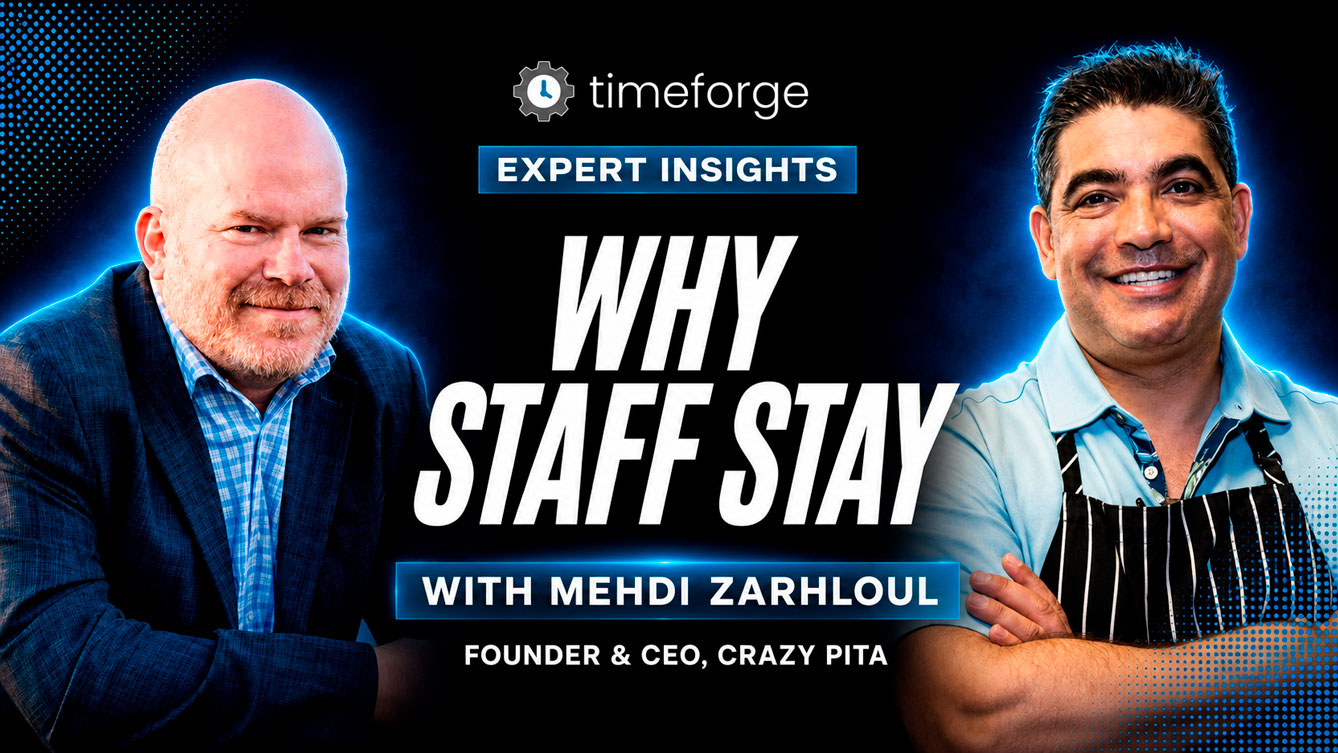
Quick Listen:
The right workforce management platform is a game-changer. Imagine a Friday night at a bustling restaurant servers darting between tables, chefs scrambling to keep up, and a manager frantically adjusting schedules to avoid chaos. Now picture the fallout if those schedules violate labor laws or fail to match demand. This is where operations and human resources (HR) must join forces. Businesses like Jamba and Original Joe’s rely on solutions like TimeForge to streamline labor, slash costs, and boost employee morale. Selecting the right platform demands collaboration between operations and HR a partnership that ensures efficiency, compliance, and a thriving workforce.
Tired of scheduling headaches and time tracking chaos? Experience for yourself streamlined scheduling, full compliance, and boost in employee engagement, with the TimeForge comprehensive workforce management solution. Join thousands of satisfied businesses and see the award-winning difference. Sign up now for a free demo tailored to your business!
A Market on the Rise
The global workforce management software market is surging, valued at USD 9.35 billion in 2025 and projected to reach USD 11.67 billion by 2030, growing at a 7.12% CAGR. This growth is fueled by the need for labor cost transparency, automated compliance, and AI-driven tools that transform time-and-attendance tracking into a strategic asset. In North America, which holds over 59.9% of the HR technology market share in 2024, the U.S. leads with rapid digital adoption and a strong vendor presence. Companies like Pyramid Foods and CK Market are leveraging platforms like TimeForge to optimize labor in retail and grocery, where tight margins demand precision.
Operations teams prioritize the front lines crafting schedules, tracking hours, and ensuring seamless service. HR focuses on compliance, payroll accuracy, and employee engagement. TimeForge bridges these goals with AI-powered sales forecasting and scheduling, tailored to businesse’s unique needs. Without collaboration, however, the wrong platform can lead to disaster: software that frustrates managers, systems that miss legal requirements, or tools employees refuse to adopt. The cost? Wasted resources, legal risks, and plummeting morale.
Bridging the Divide
Traditionally, operations and HR have worked in isolation, each with distinct priorities. Operations seeks speed and cost savings, often favoring tools that simplify scheduling and reduce overtime. HR emphasizes compliance with local, state, and federal labor laws, alongside features that enhance retention. This disconnect can result in makeshift solutions spreadsheets, outdated time clocks, or basic software that fall short. TimeForge’s prospect objections reflect this challenge: businesses hesitate due to cost concerns, fear of adopting new systems, or complacency with “good enough” tools. Yet, with the workforce management market racing toward USD 19.35 billion by 2030, settling for mediocrity is no longer an option.
Collaboration begins with alignment. Operations needs schedules that match demand consider a grocery store like Doc’s Foods gearing up for a holiday surge. TimeForge’s AI analyzes sales trends to create schedules that prevent overstaffing or understaffing, saving costs and ensuring customer satisfaction. HR ensures these schedules adhere to North America’s complex labor regulations, reducing the risk of costly fines. By uniting their expertise, operations and HR can select a platform that delivers both efficiency and compliance, transforming labor management into a competitive edge.
Empowering Employees
A workforce platform must do more than streamline processes it must engage employees. TimeForge excels here, offering tools that simplify recruitment, reward performance, and retain talent, a strength that resonates with clients like Blue Ribbon Restaurants. Its self-service portals allow employees to swap shifts, check schedules, or request time off via mobile devices, reducing administrative burdens and boosting satisfaction. In an era where 98% of workers crave flexible work options, these features are critical to keeping teams motivated.
HR brings a deep understanding of employee experience, ensuring the platform fosters fairness and transparency. Operations ensures practicality can a manager at Curby’s adjust schedules during a sudden rush? A collaborative approach delivers a platform that’s both strategic and user-friendly, aligning with the HR technology market’s projected growth to USD 69.6 billion by 2033. By prioritizing employee-centric tools, businesses can reduce turnover and build a culture of trust, even in high-pressure environments.
Addressing the Challenges
Cost is a major hurdle. Workforce platforms require investment, and businesses often balk at upfront expenses. However, the return on investment is undeniable: automated compliance minimizes legal risks, and optimized schedules reduce labor costs. TimeForge’s cloud-based dashboard eliminates the need for costly on-premise systems, a trend driving the market’s 11.7% CAGR through 2030. Operations and HR can build a compelling case by quantifying savings less overtime, reduced administrative time, and lower turnover rates.
Fear of change is another obstacle. Managers at places like Original Joe’s may resist new software, worried about learning curves or choosing the wrong system. Collaboration mitigates this: HR can lead training initiatives, while operations evaluates usability. TimeForge’s intuitive interface, praised by clients like CK Market, simplifies adoption. Piloting the platform in a single location can build confidence, paving the way for a smooth, enterprise-wide rollout. Addressing the “good enough” mindset requires demonstrating tangible benefits faster scheduling, fewer errors, and happier employees.
Navigating a Complex Landscape
Regulatory compliance is a driving force behind the workforce management market’s growth, with a projected USD 3.67 billion increase from 2025 to 2029. North America’s intricate labor laws demand tools that adapt to evolving regulations. TimeForge’s compliance features ensure businesses stay ahead, automatically updating to reflect changes in overtime rules or minimum wage laws. This is critical for clients like Jamba, operating across multiple states with varying requirements.
AI is reshaping the landscape, and TimeForge’s forecasting tools set it apart. By analyzing historical sales data, the platform predicts staffing needs with precision, ensuring restaurants and retailers are neither overstaffed nor understaffed. This capability aligns with the market’s shift toward predictive analytics, a key driver of the 8.5% CAGR through 2032. Collaboration between operations and HR ensures the platform leverages AI effectively, balancing data-driven insights with the human touch needed to maintain team morale.
A Path to Success
In retail and hospitality, where margins are slim and competition is fierce, operations and HR must work hand in hand to select a workforce platform that delivers results. TimeForge offers a comprehensive solution AI-driven scheduling, robust compliance tools, and employee-centric features that empowers businesses to thrive. As North America’s HR technology market surges, fueled by digital transformation and remote work trends, collaboration is the key to unlocking this potential.
The choice is clear: a platform like TimeForge isn’t just software it’s a strategic investment in efficiency, compliance, and employee satisfaction. By breaking down silos and aligning their goals, operations and HR can build a workforce management system that drives profitability and resilience. In a world where every minute counts, this partnership is the foundation for success. Bring operations and HR to the table, and let TimeForge transform your business. The future of workforce management is collaborative, and it starts now.
Frequently Asked Questions
Why is collaboration between operations and HR important when choosing workforce management software?
Operations and HR have distinct but complementary priorities operations focuses on scheduling efficiency and cost control, while HR ensures compliance and employee engagement. When these departments work together, businesses can select a platform that delivers both operational efficiency and regulatory compliance, avoiding costly mistakes like legal violations or low employee adoption. This collaboration ensures the chosen system meets real-world needs on the floor while protecting the company from labor law risks.
How much is the workforce management software market expected to grow?
The global workforce management software market is valued at USD 9.35 billion in 2025 and projected to reach USD 11.67 billion by 2030, growing at a 7.12% annual rate. North America dominates this market, holding over 59.9% of HR technology market share in 2024, driven by digital transformation, compliance demands, and the need for AI-powered labor forecasting tools that help businesses optimize staffing and reduce costs.
What features should retail and hospitality businesses look for in a workforce platform?
Businesses should prioritize AI-driven sales forecasting for accurate scheduling, automated compliance tools to navigate complex labor regulations, and employee self-service features like mobile shift swapping and time-off requests. The platform should also offer cloud-based accessibility, intuitive interfaces for quick adoption, and tools that support staff retention especially important since 98% of workers want flexible work options. These features help reduce labor costs, minimize legal risks, and boost employee satisfaction.
Disclaimer: The above helpful resources content contains personal opinions and experiences. The information provided is for general knowledge and does not constitute professional advice.
You may also be interested in: Staggered Shifts: Pros & Cons Of A Split Schedule
Tired of scheduling headaches and time tracking chaos? Experience for yourself streamlined scheduling, full compliance, and boost in employee engagement, with the TimeForge comprehensive workforce management solution. Join thousands of satisfied businesses and see the award-winning difference. Sign up now for a free demo tailored to your business!