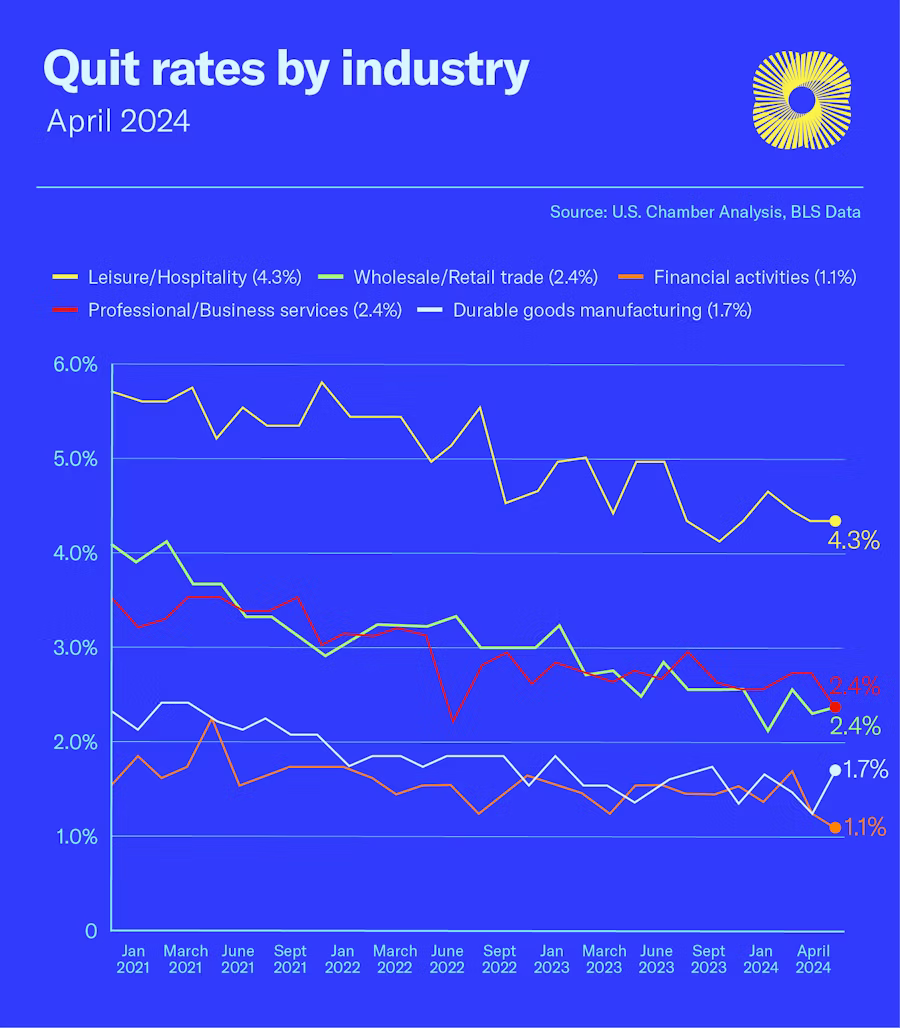
According to data recently released by the U.S. Chamber of Commerce, the hotel industry in the United States has been hit hardest by the country’s current labor shortage. The hotel industry is facing a significant labor shortage, grappling with a range of challenges that impact its operations and ability to deliver exceptional guest experiences. From high turnover rates and seasonal demand fluctuations to skills shortages and language barriers, hotels are navigating a complex and dynamic labor market.
Effective staffing strategies are crucial for hotels to overcome these labor market challenges and ensure the smooth running of their operations. Maintaining a stable and skilled workforce is essential for providing high-quality service, meeting customer expectations, and ultimately driving the success of the business.
In the face of these labor market challenges, hotels are implementing innovative strategies to attract, retain, and develop their workforce. By leveraging technology, offering flexible work arrangements, and investing in employee training and development, hotels are positioning themselves as employers of choice and ensuring staffing success in the dynamic hospitality industry.
Flexibility in Hotel Industry Staffing Models
To address the challenges posed by fluctuating demand and seasonal variations, hotels are embracing flexible scheduling practices. By offering employees the ability to choose their shifts, work remotely, or take on additional hours during peak periods, hotels are creating a more adaptable workforce that can respond to the changing needs of the business. This approach not only helps hotels maintain adequate staffing levels but also improves employee satisfaction and work-life balance.
Utilization of part-time and seasonal workers
In addition to flexible scheduling, hotels are increasingly relying on part-time and seasonal workers to supplement their core workforce. This strategy allows hotels to scale their staffing levels up or down based on demand, ensuring that they have the necessary resources to handle busy periods while maintaining cost-effectiveness during slower times. By building a pool of reliable part-time and seasonal workers, hotels can quickly adapt to changing market conditions and ensure that their operations run smoothly throughout the year.
Implementation of cross-training programs to enhance workforce versatility
To further enhance their staffing flexibility, hotels are investing in cross-training programs that equip employees with a diverse set of skills. By training staff to perform multiple tasks and work in different departments, hotels create a more versatile workforce that can adapt to changing needs and fill in gaps as they arise. Cross-training not only improves employee engagement and job satisfaction but also fosters a culture of teamwork and collaboration, which is essential for delivering exceptional guest experiences.
Technology Integration for Efficiency
To address the labor shortage and attract top talent, hotels are leveraging digital platforms for their recruitment and onboarding processes. By utilizing online job boards, social media, and applicant tracking systems, hotels can reach a wider pool of candidates and streamline the hiring process. Additionally, virtual onboarding and training programs enable hotels to quickly integrate new hires into the organization, ensuring a seamless transition and reducing the burden on existing staff.
Implementation of workforce management software for scheduling and task allocation
Hotels are also turning to workforce management software to optimize their staffing operations. These digital tools provide real-time visibility into staffing levels, allow for automated scheduling, and facilitate the efficient allocation of tasks. By automating administrative tasks and empowering managers to make data-driven decisions, hotels can ensure that the right employees are in the right place at the right time, improving overall operational efficiency and customer service.
Integration of AI and automation in routine operational tasks to reduce dependency on manpower
To further enhance their staffing efficiency, hotels are embracing AI and automation technologies to handle routine operational tasks. From automated check-in and checkout processes to robotic concierge services, these technologies help hotels reduce their reliance on manual labor and free up employees to focus on more complex, guest-facing responsibilities. By leveraging AI and automation, hotels can maintain high levels of service while optimizing their workforce and reducing labor costs.
Enhancing Employee Benefits and Retention Strategies
To attract and retain top talent in the face of labor shortages, hotels are offering competitive wages and comprehensive benefits packages. This includes not only higher base salaries but also attractive perks such as health insurance, retirement plans, paid time off, and employee discounts. By investing in their employees’ well-being and financial security, hotels demonstrate their commitment to their workforce and create a positive work environment that fosters loyalty and engagement.
Provide opportunities for career growth and skill development
In addition to competitive compensation, hotels are prioritizing employee development and career advancement opportunities. By offering training programs, mentorship initiatives, and internal promotion opportunities, hotels empower their employees to grow within the organization and develop new skills. This not only enhances employee satisfaction and retention but also builds a strong pipeline of future leaders, ensuring the long-term success of the hotel.
Implement employee recognition programs to boost morale and retention rates
To further boost employee morale and retention, hotels are implementing recognition programs that celebrate the achievements and contributions of their staff. This includes initiatives such as employee of the month awards, performance-based bonuses, and public acknowledgments of exceptional service. By recognizing and rewarding their employees, hotels create a positive and inclusive work culture that values individual contributions and fosters a sense of belonging among their workforce.
Collaborations and Partnerships with Educational Institutions
To address the skills gap and ensure a steady pipeline of qualified talent, hotels are forging partnerships with educational institutions. By collaborating with vocational schools, community colleges, and universities, hotels can develop customized workforce development programs that align with their specific needs. These partnerships often include curriculum design, faculty training, and the provision of hands-on learning opportunities, ensuring that students are well-prepared for careers in the hospitality industry.
Providing internship and training opportunities
As part of their educational partnerships, hotels are offering internship and training opportunities to students. By providing real-world experience and mentorship, hotels help students develop the skills and knowledge necessary for success in the industry. These programs not only benefit the students but also provide hotels with a pool of talented and motivated individuals who are well-versed in the company’s culture and operations.
Supporting educational initiatives to attract talent to the hospitality industry
To address the broader challenge of attracting talent to the hospitality industry, hotels are supporting educational initiatives that promote the industry’s diverse career paths and growth potential. This includes sponsoring scholarships, participating in career fairs, and engaging in outreach programs that showcase the exciting opportunities available in the hotel sector. By investing in the next generation of hospitality professionals, hotels are ensuring a sustainable future for the industry and positioning themselves as employers of choice.
Retain Talent!
Hotels are implementing a range of strategies to ensure staffing success. These include adopting flexible scheduling practices, utilizing part-time and seasonal workers, and implementing cross-training programs to enhance workforce versatility. Hotels are also leveraging technology for efficient recruitment, onboarding, and workforce management, while integrating AI and automation to reduce dependency on manual labor. Additionally, hotels are offering competitive wages, benefits, and career growth opportunities to attract and retain top talent, and collaborating with educational institutions to develop a skilled workforce for the future.
As the hotel industry continues to evolve, staffing trends are expected to focus on adaptability, technology integration, and employee-centric policies. Hotels will need to remain agile in their staffing approaches, embracing flexible work arrangements and a diverse workforce to navigate fluctuating demand. The integration of AI and automation will accelerate, streamlining operations and freeing up employees for more strategic and guest-facing roles. Employee well-being, work-life balance, and career development will become increasingly important factors in attracting and retaining talent in the industry.
The hotel industry’s ability to adapt and innovate its staffing practices will be crucial for its long-term success. By embracing flexibility, technology, and employee-centric strategies, hotels can overcome the current labor market challenges and position themselves as employers of choice in the hospitality sector. As the industry continues to evolve, hotels that prioritize adaptive staffing practices will be well-equipped to deliver exceptional guest experiences, drive business growth, and thrive in the dynamic hospitality landscape.
You may also be interested in: Labor Management Systems: A Comprehensive Guide | TimeForge
Tired of scheduling headaches and time tracking chaos? Experience for yourself streamlined scheduling, full compliance, and boost in employee engagement, with the TimeForge comprehensive workforce management solution. Join thousands of satisfied businesses and see the award-winning difference. Sign up now for a free demo tailored to your business!