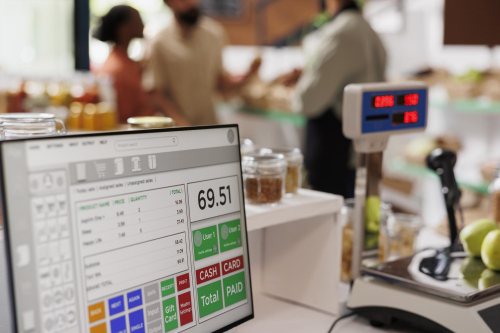
Retailers have always faced challenges when it comes to managing labor during high-demand periods. For years, businesses relied on basic intuition, spreadsheets, or simple forecasting tools to manage staffing levels. But today, artificial intelligence (AI) is revolutionizing how retailers approach labor scheduling. By leveraging AI-powered forecasting tools, retailers are now able to predict staffing needs with greater accuracy, ensuring more efficient operations, reduced labor costs, and improved employee satisfaction.
AI isn’t just a buzzword; it’s a technological leap that helps retailers streamline one of their most crucial operational tasks labor scheduling. AI tools allow businesses to predict foot traffic, sales patterns, and customer behavior, ensuring they have the right staff in place at the right time. As a result, retailers can maximize profits while reducing unnecessary overhead costs.
This shift in labor management isn’t confined to large corporations. From independent stores to chain retailers, AI tools are becoming increasingly accessible, empowering businesses to run more efficiently. The next step in labor optimization is here, and those who embrace AI-powered scheduling will undoubtedly lead the pack.
The Power of AI Forecasting: Predicting Demand with Precision
Retailers face the constant challenge of unpredictable demand. On any given day, staffing needs can fluctuate based on factors like seasonal shopping habits, holidays, or unforeseen events. Understaffed shifts during peak periods can result in missed sales and frustrated customers, while overstaffed shifts lead to inflated labor costs.
AI-powered forecasting has the ability to predict customer traffic with precision by analyzing vast amounts of data. These tools incorporate historical sales data, weather reports, and even local events into their algorithms to forecast demand. By utilizing this data, retailers can generate accurate, real-time forecasts that anticipate spikes in customer visits or dips in sales, allowing them to schedule employees accordingly.
A great example of AI’s impact in retail forecasting comes from Walmart, which has utilized AI to optimize its labor scheduling process. As reported by Redress Compliance, Walmart’s use of AI has enabled the retailer to streamline its labor force during peak hours. By leveraging AI to forecast sales patterns and foot traffic, the company has dramatically reduced overstaffing and inefficiencies, which directly impacts its bottom line.
AI tools aren’t just about forecasting the future they’re also about learning from the past. These tools continue to adapt and refine their predictions based on historical performance, making them increasingly accurate as they process more data. Retailers can predict not only when they will need more employees but also which departments will experience the highest demand, ensuring that no area is left understaffed.
Optimizing Labor Schedules: Efficiency and Satisfaction
Once AI tools predict the required labor force, they automatically generate optimized schedules that align with demand forecasts. This automated scheduling takes into account various factors such as peak customer traffic, employee availability, and employee performance, ensuring that the right employees are scheduled at the right times.
Incorporating AI into labor scheduling leads to two major outcomes for retailers: cost savings and higher employee satisfaction. For retailers, scheduling the right number of staff for each shift means they don’t have to worry about overspending on labor or losing sales due to understaffing. In turn, AI-based scheduling tools enable employees to have a better work-life balance.
AI-driven tools like those from Orquest help retailers automate their scheduling process, considering both employee preferences and performance metrics when assigning shifts. For example, some AI systems even allow employees to swap shifts or request time off in real time, offering greater flexibility while maintaining staffing efficiency.
The advantages extend beyond cost savings. Research shows that AI-powered scheduling improves the overall work experience for employees. When staff is scheduled according to demand, they feel less stressed and are more satisfied with their shifts. This leads to reduced turnover, fewer scheduling errors, and an overall increase in productivity.
With fewer last-minute scheduling changes and better alignment between forecasted demand and actual labor, employees have a clearer understanding of their work schedules. In fact, employees appreciate the transparency and flexibility AI-powered tools offer, which has been shown to increase job satisfaction and retention rates.
Case Studies: Real-World Applications
Several major retailers have already seen impressive results from implementing AI-powered labor scheduling tools. One such success story comes from Rapid Innovation, which showcases how AI-driven systems have transformed scheduling in retail environments. The tool can adapt to real-time changes, such as a sudden increase in customer traffic or unexpected absences, and automatically adjust staff schedules to meet demand.
Additionally, small businesses are also benefiting from AI-powered forecasting tools. These tools provide the same predictive capabilities that large enterprises enjoy, making them accessible and valuable for businesses of all sizes. As smaller retailers adopt AI tools, they’re experiencing improvements in labor efficiency and cost management, which have traditionally been harder to optimize for smaller operations.
AI in labor scheduling isn’t just about predictive tools; it’s about creating a dynamic scheduling system that can respond to ever-changing circumstances. Whether it’s a busy holiday weekend or a slow weekday, AI allows retailers to adjust staffing in real-time, ensuring that they can meet customer demand without incurring unnecessary labor costs.
Beyond Retail: AI in Other Sectors
While much of the attention around AI-driven labor scheduling has focused on retail, its application spans other industries as well. For instance, in restaurants, AI tools are used to optimize scheduling during peak dining times. Tools like Carbonara allow restaurant managers to predict how many servers, cooks, and support staff are needed based on historical data, helping them improve service without overstaffing.
In healthcare, AI-driven scheduling tools are improving workforce management by anticipating patient flow and adjusting staff levels in real time. In industries like hospitality and manufacturing, where staffing needs fluctuate based on customer demand, AI tools are becoming indispensable for managing labor efficiently.
By optimizing labor scheduling, AI not only enhances business operations but also fosters a more positive environment for employees. In any sector, employees benefit from being scheduled according to demand, which means fewer stressful, unpredictable shifts and more reliable work hours.
The Future of Retail Labor Management
Looking ahead, AI’s role in retail labor management is set to grow even more vital. The capabilities of AI-powered forecasting tools are evolving rapidly, offering deeper insights, greater automation, and even more personalization. Retailers who continue to embrace AI in their scheduling systems will gain a significant competitive advantage in an increasingly complex retail landscape.
As AI tools become more advanced, the potential for even greater efficiency in labor management is vast. Not only will AI continue to predict demand with precision, but it will also help retailers navigate staffing challenges that have long been a headache for managers. The integration of AI in labor scheduling is no longer a future trend it’s a present-day solution that can elevate operational performance and employee satisfaction.
For businesses that have yet to implement AI in their labor management, the time to start is now. Embracing AI is the key to unlocking new levels of efficiency, profitability, and satisfaction for both customers and employees. Retailers who adopt these technologies early will have a significant advantage in an increasingly competitive market.
You may also be interested in: Workforce Optimization Strategies in Retail Business
Tired of scheduling headaches and time tracking chaos? Experience for yourself streamlined scheduling, full compliance, and boost in employee engagement, with the TimeForge comprehensive workforce management solution. Join thousands of satisfied businesses and see the award-winning difference. Sign up now for a free demo tailored to your business!