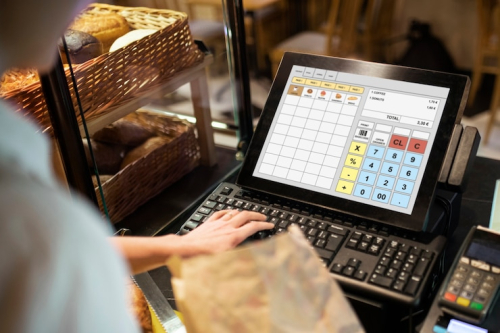
From New York City’s rigorous Local Law 144 to the European Union’s stringent 2027 regulations, compliance is a high-stakes endeavor. A single oversight can trigger steep fines, damage brand reputation, or alienate a workforce. This is where labor law compliance software emerges as a vital tool, empowering restaurant chains to manage schedules, payroll, and regulations across diverse locations with precision. With the global HR compliance software market expected to surge from $2.9 billion in 2023 to $9.99 billion by 2032, per a Market Research Store report, the demand for these solutions is soaring. What drives their necessity, and how are they reshaping the restaurant industry?
The Compliance Challenge
Managing a restaurant chain is akin to orchestrating a symphony every role, from line cooks to servers, must perform in harmony. Layer on labor laws that differ by jurisdiction, and the task becomes daunting. In New York City, Local Law 144, enforced since July 2023, requires employers to conduct independent bias audits for automated hiring tools to prevent discriminatory practices. Non-compliance risks penalties, making vigilance essential. In Europe, the EU’s 2027 labor regulations will impose stricter working-hour rules, compelling chains to overhaul scheduling practices, according to a 2025 simulation study.
For multi-location operators, the complexity multiplies. A misstep in one outlet say, overlooking California’s break laws can cascade across the enterprise. Chains like Blue Ribbon Restaurants, with sites in bustling urban centers, face a patchwork of local wage laws, overtime rules, and scheduling mandates. Manual tracking is a minefield of errors. “You’re playing with fire if you try to manage this by hand,” confides a district manager at a regional chain, speaking anonymously. “One missed break can cost thousands.” Compliance software offers a lifeline, providing a unified platform to monitor labor metrics, identify risks, and ensure every location adheres to regulations.
Technology as the Solution
Labor compliance software is more than a digital tool it’s a strategic asset. Platforms like TimeForge, designed for restaurants, grocery, and retail, consolidate scheduling, time tracking, and HR into a seamless system. Unlike rudimentary time clocks or generic HR software, these platforms are engineered for complexity. They leverage AI-driven forecasting to align staffing with demand surges, ensuring compliance while optimizing labor costs. For instance, TimeForge’s scheduling tools adapt to California’s predictive scheduling laws, which mandate advance shift notices, and proactively flag potential overtime issues.
The market validates this shift. The compliance software sector is projected to grow from $36.22 billion in 2025 to $65.77 billion by 2030, with a CAGR of 12.67%, per Mordor Intelligence. Restaurants are a key driver, with the restaurant management software market expected to reach $15.85 billion by 2031, according to Straits Research. These tools save time and enhance efficiency. Cloud-based platforms enable managers to access real-time data from any site whether at a Jamba Juice in Los Angeles or an Original Joe’s in Vancouver. Features like digital logbooks, mobile apps, and analytics deliver insights into labor costs and sales per labor hour, streamlining operations.
Addressing Resistance
Adopting advanced technology can meet resistance. Restaurant operators often cite three barriers: cost, fear of disruption, and satisfaction with “adequate” systems. Solutions like TimeForge require an initial investment, which can intimidate smaller chains. However, the cost of non-compliance fines, legal battles, or lost efficiency dwarfs subscription fees. With the HR compliance market projected to hit $6.8 billion by 2033, per DataHorizzon Research, proactive adopters gain scalability and security.
Fear of change is a tougher hurdle. Managers wedded to spreadsheets or outdated systems dread steep learning curves or choosing an ill-fitting platform. Yet, modern solutions prioritize usability, with intuitive interfaces and mobile apps tailored for fast-paced environments. TimeForge offers robust onboarding and a free demo to smooth the transition. The “good enough” mindset relying on paper schedules or basic time clocks falls short in multi-location settings. These tools lack the predictive analytics or real-time updates needed to navigate regulations like Local Law 144 or the EU’s 2027 mandates.
What Sets Leaders Apart
Not all compliance platforms are equal. TimeForge distinguishes itself with features crafted for restaurants. Its AI-driven sales forecasting predicts busy periods, enabling precise staffing that minimizes over- or under-scheduling. Built-in compliance tools track minimum wage, breaks, and overtime across jurisdictions, ensuring adherence to local, state, and federal laws. In an industry plagued by turnover, features like onboarding apps and employee engagement tools help recruit and retain talent, addressing a critical pain point.
Competitors like Fourth and 7shifts excel in scheduling but may lack TimeForge’s depth in labor analytics or compliance automation. Harri emphasizes hiring, while Legion focuses on forecasting, but TimeForge’s comprehensive approach resonates with chains like Pyramid Foods and Doc’s Foods, which need a unified platform. “It’s like having a compliance expert, HR specialist, and scheduler on speed dial,” says a TimeForge user at a convenience store chain. This versatility powers thousands of businesses, from Curbys to CK Market, to scale efficiently.
The People Factor
At its core, compliance software serves people. Employees demand fair schedules, accurate pay, and workplace respect. Managers need tools that free them to focus on guests, not paperwork. By enforcing schedules, tracking hours, and ensuring breaks, these systems build trust. A server at a TimeForge-using grocery chain praised the app’s calendar feature for simplifying shift planning, reducing personal stress. Managers benefit from digital red books and communication tools that resolve issues swiftly, maintaining operational flow.
This focus on engagement is vital in an industry where morale drives performance. Restaurants using automated HR tools report improved retention and productivity, per a LinkedIn analysis. In a tight labor market, this advantage is invaluable, fostering loyalty and reducing turnover costs.
The Road Ahead
As labor laws evolve and restaurant operations grow more intricate, compliance software is no longer optional it’s indispensable. The market’s trajectory, from $52.85 billion in 2024 to a projected $175.6 billion by 2033, per Business Research Insights, underscores this shift. Multi-location restaurants, from quick-service to upscale dining, rely on technology to remain compliant and agile. TimeForge leads with its blend of AI, analytics, and user-centric design, tackling real-world challenges head-on.
For operators hesitating, the risks of inaction are stark. A compliance lapse or scheduling error can unravel even the strongest chain. Yet, with the right platform, restaurants can transform complexity into opportunity, saving time, reducing costs, and empowering their teams. The future of labor management is here, and it’s digital. As one operator declared, “You either adapt or get left behind.” Explore a demo today and discover how compliance can drive success.
Disclaimer: The above helpful resources content contains personal opinions and experiences. The information provided is for general knowledge and does not constitute professional advice.
You may also be interested in: Labor Management Systems: A Comprehensive Guide | TimeForge
Tired of scheduling headaches and time tracking chaos? Experience for yourself streamlined scheduling, full compliance, and boost in employee engagement, with the TimeForge comprehensive workforce management solution. Join thousands of satisfied businesses and see the award-winning difference. Sign up now for a free demo tailored to your business!