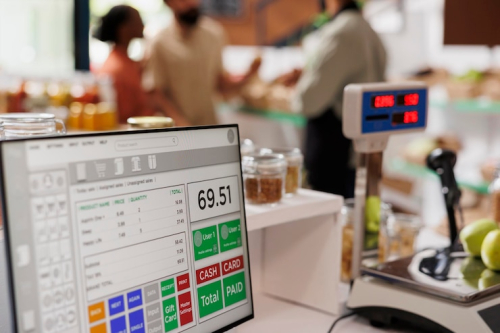
Picture a busy Saturday at a big-box retailer: shoppers crowd the aisles, carts overflow, but the checkout lines are stalled because only two cashiers are on duty. Shelves sit half-stocked, and frustrated customers walk out, leaving potential sales behind. This isn’t just a staffing hiccup it’s a systemic failure rooted in outdated scheduling practices. A recent survey by Logile, a workforce management innovator, reveals that ineffective scheduling is draining retailer’s revenue, spiking compliance costs, and driving employee turnover. The solution? Cloud-based tools that promise precision and agility in an industry where timing is everything.
Tired of scheduling headaches and time tracking chaos? Experience for yourself streamlined scheduling, full compliance, and boost in employee engagement, with the TimeForge comprehensive workforce management solution. Join thousands of satisfied businesses and see the award-winning difference. Sign up now for a free demo tailored to your business!
Retail Scheduling Gaps Hurt Sales Performance
Retail runs on rhythm. The right staff, at the right time, can make or break a store’s success. Logile’s survey of retail executives lays bare a troubling reality: 68% of leaders say scheduling inefficiencies directly erode sales, with understaffing during peak hours as the primary culprit. When stores can’t match staff to customer demand, lines grow, shelves empty, and shoppers leave. The survey also flags compliance as a growing concern 40% of retailers using outdated systems face fines for labor law violations. Cloud-based workforce management systems, however, are emerging as a lifeline, offering real-time solutions to these persistent pain points.
Scheduling isn’t just about filling shifts; it’s about aligning labor with strategy. Understaffing frustrates customers, while overstaffing inflates costs without adding value. The survey highlights that retailers still tethered to manual processes or legacy software struggle to adapt to fluctuating demand. In contrast, those adopting cloud-based platforms see measurable gains in efficiency, compliance, and revenue. The data is clear: modern scheduling isn’t a luxury it’s a necessity for staying competitive.
Navigating a Complex Workforce Landscape
Today’s retail workforce is a patchwork of full-time employees, part-timers, gig workers, and seasonal hires. Managing this mix is a logistical tightrope. With labor costs climbing up 15% in retail over the past three years, per industry data retailers face intense pressure to optimize every shift. Logile’s survey shows 72% of executives prioritize controlling labor costs, yet many rely on clunky spreadsheets or rigid software that can’t keep pace with real-time needs. The result? Missed opportunities and frustrated teams.
Cloud-based scheduling platforms are rewriting the rules. These systems use predictive analytics to align staffing with customer traffic, ensuring stores are ready for busy periods. For instance, a national grocery chain using a cloud platform cut overtime costs by 12% in six months by forecasting demand more accurately. Another retailer boosted sales by 15% after scheduling additional staff during high-traffic hours. These tools don’t just streamline operations they turn data into dollars by matching labor to customer behavior.
Success Stories: Scheduling That Works
Consider a bustling holiday season at a major retailer. Demand spikes, lines lengthen, and every minute counts. One chain, leveraging Logile’s cloud-based tools, integrated time and attendance tracking with demand forecasting. The outcome? A 10% jump in same-store sales, driven by having enough staff to keep shelves stocked and checkouts moving. Another regional retailer tackled absenteeism, cutting it by 20% after adopting a mobile app that let employees swap shifts seamlessly. These examples show how smart scheduling translates to tangible results.
Compliance is another win for cloud adopters. Labor laws, which vary widely by region, pose a minefield for retailers. Logile’s survey notes that 55% of those using legacy systems faced compliance penalties last year, often due to scheduling errors like missed breaks or excessive overtime. Cloud platforms, with built-in compliance checks, slashed violations by 30% for users. By automating rules and flagging potential issues, these systems keep retailers compliant while boosting employee morale a critical factor in a tight labor market.
The High Cost of Outdated Systems
Sticking with old-school scheduling methods is a gamble retailers can’t afford. Legacy systems, often manual or inflexible, falter under the weight of modern retail’s demands. A store manager buried in spreadsheets might miss a sudden surge in shoppers, leaving the floor understaffed. Logile’s survey reveals that 65% of retailers using outdated tools see higher employee turnover, as erratic schedules breed frustration. The ripple effect is brutal: poor scheduling leads to lost sales up to 8% of potential revenue, per the survey while driving customers to competitors.
Employees feel the strain, too. Unpredictable schedules make work-life balance a challenge, pushing workers to quit. One retailer in the survey reported a 25% spike in turnover over two years, tied directly to inconsistent scheduling. High turnover means constant hiring and training, draining resources and disrupting operations. The lesson is stark: outdated scheduling doesn’t just hurt the bottom line it destabilizes the entire workforce.
Cloud Solutions: A Strategic Edge
Cloud-based workforce management is more than a tech upgrade it’s a paradigm shift. These platforms harness AI to optimize staffing, analyzing data from sales trends to external factors like weather. A clothing retailer, for example, used real-time adjustments during an unexpected heatwave to staff up for a surge in summer apparel sales, netting a 7% sales boost that week. Logile’s survey shows 80% of retailers using AI-driven scheduling report improved labor efficiency within a year, proving the technology’s impact.
Analytics is the secret sauce. Managers can now track how staffing decisions affect sales in real time. One retailer found that adding a cashier during lunch hours sped up checkouts and increased impulse purchases by 5%. Cloud platforms also empower employees with mobile tools for shift swaps and time-off requests, which Logile links to a 15% rise in workforce satisfaction. Happier employees stay longer, reducing turnover and building a stronger team.
A Memorable Scheduling as a Competitive Weapon
In retail, every moment counts. A single understaffed shift can send customers and their wallets to a competitor. Logile’s survey lays out the stakes: millions lost to inefficiencies, compliance fines, and disengaged workers. But it also charts a path forward. Cloud-based workforce management isn’t just about filling shifts it’s about building a nimble, data-driven operation that thrives in chaos. Retailers who embrace these tools gain more than efficiency; they gain a strategic edge in a cutthroat market. The choice is clear: modernize scheduling or risk being left behind. In an industry where timing is everything, the future belongs to those who plan for it.
Frequently Asked Questions
How do scheduling inefficiencies impact retail sales performance?
According to Logile’s survey, 68% of retail executives report that scheduling inefficiencies directly erode sales, primarily due to understaffing during peak hours. Poor scheduling can result in up to 8% loss of potential revenue as customers face long checkout lines, find empty shelves, and ultimately leave stores frustrated. When retailers can’t match staffing levels to customer demand, they lose both immediate sales and long-term customer loyalty.
What are the main benefits of cloud-based workforce management systems for retailers?
Cloud-based scheduling platforms offer predictive analytics to align staffing with customer traffic patterns, helping retailers reduce overtime costs by up to 12% and boost sales by 15% through better demand forecasting. These systems also improve compliance by 30% through built-in labor law checks, reduce employee turnover by providing mobile shift-swapping capabilities, and increase workforce satisfaction by 15% with more flexible scheduling options.
Why are legacy scheduling systems causing compliance issues for retailers?
Legacy scheduling systems often rely on manual processes or inflexible software that can’t adapt to complex labor laws, leading to violations like missed breaks or excessive overtime. Logile’s survey found that 55% of retailers using outdated systems faced compliance penalties, while 40% of those with manual processes incur fines for labor law violations. Modern cloud platforms automatically flag potential compliance issues and ensure adherence to regional labor regulations.
Disclaimer: The above helpful resources content contains personal opinions and experiences. The information provided is for general knowledge and does not constitute professional advice.
You may also be interested in: 5 Teamwork In Restaurants Examples | TimeForge
Tired of scheduling headaches and time tracking chaos? Experience for yourself streamlined scheduling, full compliance, and boost in employee engagement, with the TimeForge comprehensive workforce management solution. Join thousands of satisfied businesses and see the award-winning difference. Sign up now for a free demo tailored to your business!