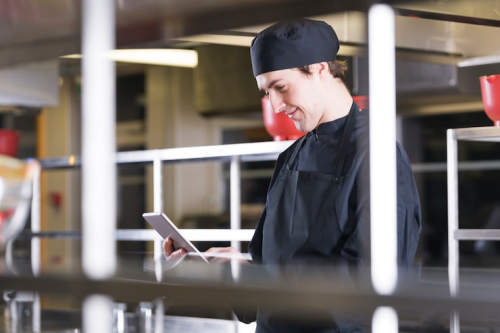
The labor crisis of 2025 is a relentless adversary. Picture a harried manager, scrambling to cover a last-minute no-show while juggling a spreadsheet that’s more puzzle than plan. This is the daily grind for countless operators, from bustling quick-service spots to candlelit bistros, as staffing shortages and rising wages threaten to unravel their businesses. Yet, a technological lifeline is emerging. Automated scheduling software is transforming how restaurants manage their workforce, offering a path to streamline operations, curb burnout, and keep employees engaged in an industry stretched to its limits.
The restaurant sector, long defined by razor-thin margins, is grappling with unprecedented challenges. A 2024 report highlighted by 7shifts reveals the industry grew by 1.72%, adding 210,300 jobs, primarily in quick-service restaurants. However, full-service establishments still lag 4% below pre-pandemic staffing levels. With labor costs soaring and workers demanding greater flexibility, restaurant owners face a stark choice: adapt or falter. Automated scheduling tools, designed to optimize everything from shift assignments to compliance with labor laws, are proving to be a game-changer.
A Sector Strained to the Breaking Point
Step into any restaurant, and the labor shortage is palpable. It’s the unmanned hostess desk, the server pulling double shifts, the manager fielding complaints between phone calls to fill gaps. A Business Insider profile of a New England bakery owner a former CIA officer turned entrepreneur underscores the struggle. She found recruiting and retaining staff more daunting than her covert missions abroad. The issue isn’t just hiring; it’s retention. Unpredictable schedules, high turnover, and burnout are pushing workers out the door.
This is where workforce management software shines. These platforms, which streamline tasks like scheduling and payroll integration, are gaining momentum. According to a Market Research Future report, the restaurant management software market is set to expand from $23.88 billion in 2025 to $46.22 billion by 2034, growing at a compound annual growth rate (CAGR) of 7.61%. The data is unequivocal: technology is becoming the backbone of restaurant survival.
The Forces Fueling Automation
The pivot to automated scheduling is driven by seismic shifts in the restaurant landscape. Digital transformation is at the forefront. A Polaris Market Research study projects the global restaurant management software market, valued at $5.69 billion in 2024, to reach $28.03 billion by 2034, with a robust CAGR of 17.3%. Platforms that unify point-of-sale (POS) systems, inventory management, and employee scheduling are now indispensable for staying competitive.
Employees are also reshaping the equation. Today’s workforce, particularly younger workers, craves schedules that align with their lives. Automated tools enable shift-swapping and self-service scheduling, granting flexibility without burdening managers. Predictive scheduling, powered by artificial intelligence and historical data, is another game-changer, allowing restaurants to anticipate peak hours and staff accordingly. As noted in a Market.us report, the demand for real-time analytics is surging, empowering managers to make informed decisions swiftly.
Compliance with labor regulations is a critical factor. Cities like New York and Seattle have introduced fair workweek laws, requiring advance schedule postings and penalizing last-minute changes. Automated systems help restaurants navigate these rules, avoiding hefty fines. Moreover, integration with POS and payroll systems reduces administrative burdens, allowing managers to prioritize guest experiences over paperwork.
Success Stories: Automation in Action
The benefits of automation are not theoretical they’re measurable. Take a mid-sized quick-service chain that adopted mobile shift-swapping tools. Employees could trade shifts via an app, reducing no-shows and improving morale, which in turn supported retention. A full-service restaurant leveraged AI-driven scheduling to minimize conflicts, ensuring optimal staffing during busy periods. Multi-unit franchises are reaping rewards, too, with one operator streamlining schedules across locations.
These outcomes align with industry trends. A Mordor Intelligence analysis forecasts the restaurant management software market to grow from $6.54 billion in 2025 to $12.93 billion by 2030, with a CAGR of 14.59%. The evidence is clear: automation is not just a tool but a catalyst for operational excellence.
Challenges to Overcome
Despite its promise, automation faces hurdles. Cultural resistance is a significant barrier. Managers accustomed to manual methods think clipboards and spreadsheets may balk at new technology. Employees, wary of past tech failures, can be equally hesitant. Cost is another concern, particularly for smaller establishments. A Medium report projects the hospitality and restaurant scheduling software market to grow at a CAGR of 12.8% from 2025 to 2032 but cautions that integration complexities can stall progress.
Data reliability poses a challenge, too. Predictive scheduling depends on historical patterns, which can be disrupted by unexpected events, like a local festival or a social media-driven surge in customers. Partial adoption is another pitfall restaurants that use only basic features miss out on advanced tools like labor forecasting or compliance tracking. Yet, with strategic implementation, including thorough training and gradual rollouts, these obstacles can be surmounted.
The Rewards of Commitment
For restaurants that embrace automation, the payoff is substantial. Scheduling software drastically cuts administrative time, freeing managers to focus on service quality. Self-service features boost employee satisfaction by giving workers control over their schedules. Predictive analytics optimize labor costs, a vital advantage in an industry where every dollar counts. Compliance with labor laws becomes seamless, and scalability supports expanding restaurant groups.
The numbers underscore the urgency. Per 7shifts, 65% of restaurants adopted new technology in 2024 to address labor challenges, yet 27% cling to manual scheduling. Those reliant on outdated methods risk falling behind. Automation isn’t merely about efficiency it’s about creating workplaces that attract and retain talent.
Looking Ahead: A Smarter Future
The trajectory for scheduling software is upward and innovative. Artificial intelligence and machine learning will enhance demand forecasting and personalize schedules, as highlighted by Market Research Future. Trends like mobile ordering and contactless payments, accelerated by the pandemic, will further integrate with scheduling platforms, creating cohesive operations. Over the next three to five years, automation will distinguish thriving restaurants from those struggling to keep pace.
For operators, the path forward is clear: start modestly but decisively. Select a platform compatible with existing systems, invest in comprehensive training, and fully leverage its features. The restaurants that act now will be best positioned to navigate future challenges.
Building Resilience Through Technology
The restaurant industry thrives on reinvention new cuisines, new concepts, new hurdles. Today, the hurdle is labor, and the answer lies in technology. Automated scheduling is not a panacea, but it’s a powerful ally, easing operational strains, empowering employees, and ensuring businesses stay viable. In an era where every shift is critical, that’s a profound impact. Restaurants embracing these tools today are not just addressing current crises they’re fortifying themselves for whatever lies ahead.
Disclaimer: The above helpful resources content contains personal opinions and experiences. The information provided is for general knowledge and does not constitute professional advice.
You may also be interested in: Hotel Industry Staffing Strategies: Adapting To Labor Market Changes
Tired of scheduling headaches and time tracking chaos? Experience for yourself streamlined scheduling, full compliance, and boost in employee engagement, with the TimeForge comprehensive workforce management solution. Join thousands of satisfied businesses and see the award-winning difference. Sign up now for a free demo tailored to your business!